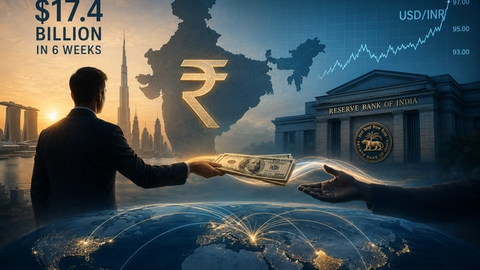
The US dollar isn't just America's currency — it's the world's. Most global trade, commodities, and cross-border debt are priced in it, so when the dollar strengthens, the shockwaves land far from Wall Street.
For countries that borrowed in dollars, a stronger dollar means their repayments suddenly cost more in local currency. For importers of oil and food — both dollar-priced — bills jump even if the underlying price hasn't moved. That's how a decision in Washington quietly raises the cost of living in Lagos, Jakarta, or Buenos Aires.
Understanding the dollar's gravity explains a lot of otherwise-confusing headlines: why emerging-market central banks scramble to defend their currencies, and why “America's” interest-rate decisions are really everyone's.