
Science & Discovery

This startup is trying to make it rain for $100 million
A three-year-old company just raised $100 million to fly drones into clouds and squeeze rain out of them. Rainmaker says its Alaska tests pulled 19 million gall
 Utkarsh Sahariya·28 Sept 2026
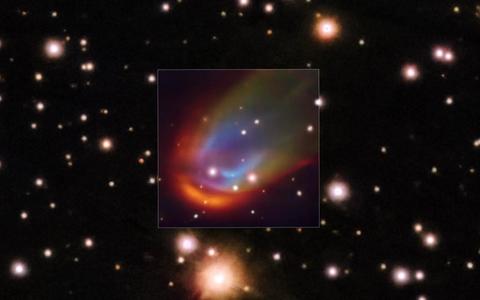
A Dead Star Is Doing Something Physics Can't Explain
730 light-years away, the burnt-out core of a dead star is blasting a shock wave across space — a structure it has no known way of producing. No disk to feed it
Utkarsh Sahariya·27 Sept 2026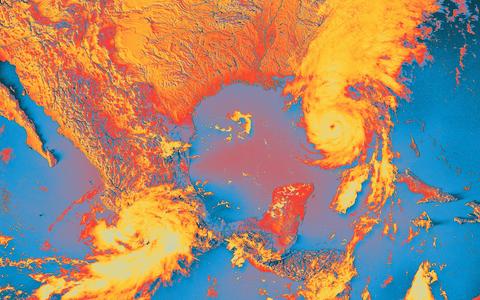
A strong El Niño actually means fewer Atlantic hurricanes, but the Pacific has been extra stormy
It's late September, peak hurricane season, and the Atlantic hasn't produced a single hurricane — something that hasn't happened in over a century. Meanwhile th
Utkarsh Sahariya·25 Sept 2026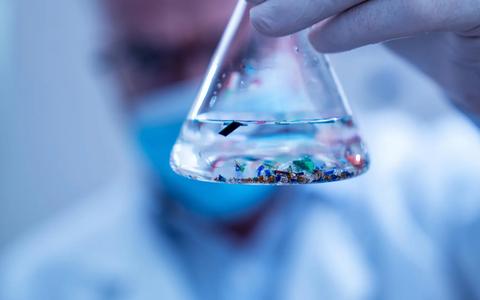
Melting plastic into gasoline at oven temperature
For decades, the formula for producing fuel from waste plastic has required extreme conditions: high temperatures like a furnace and expensive metallic catalyst
Utkarsh Sahariya·22 Sept 2026
The First mRNA Flu Shot Just Got FDA Approval — And It Almost Didn't
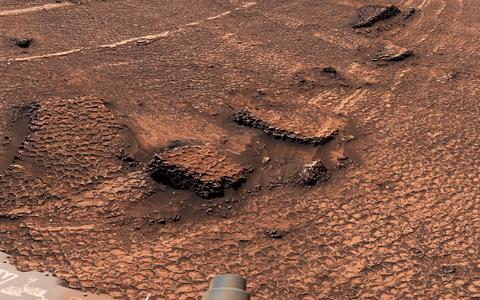
NASA's Curiosity rover found mysterious Honeycomb landscapes on Mars
Somewhere on the slope of a three-mile Martian mountain, the ground has cracked into a field of near-perfect hexagons — thousands of them, stretching past the h
Utkarsh Sahariya·3 Aug 2026
Your pancreas might not be running out of insulin. It might be running out of coordination.
The problem was never raw materials. A June PNAS study reveals that insulin's assembly line jams when one of two partner proteins goes missing — and no amount o
Utkarsh Sahariya·30 Jul 2026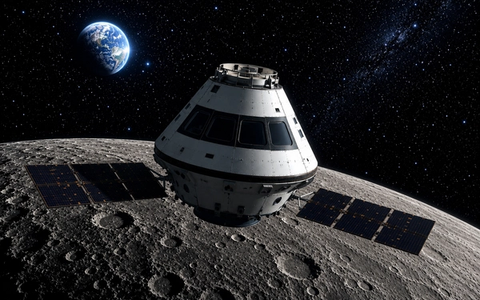
Every Major Milestone Humanity Has Achieved in Space
How do we remember space? A grainy photo of a footprint. A blurry TV broadcast of a man in a bulky suit and somehow a gray-haired, clean-cut television anchor w
The Mysterious Hum That No One Can Find
Somewhere between 2 and 4 percent of people on Earth can hear a sound the rest of the world can't. They describe it the same way, no matter what country they're

The Great Dying: Why Metabolism Decided Who Lived Through Earth's Worst Extinction
Go to any beach around the world, and you'll take home the same collection: shells of clams and snails, an occasional sea urchin. There won’t be many brachiopod
Utkarsh Sahariya·13 Jul 2026
NASA celebrates America's 250th birthday with incredible views of space
When celebrating America’s 250th birthday, NASA did not use fireworks, but sent its probes much further into space, taking four pictures with lots of red, white
Utkarsh Sahariya·5 Jul 2026Check your inbox to confirm your subscription.