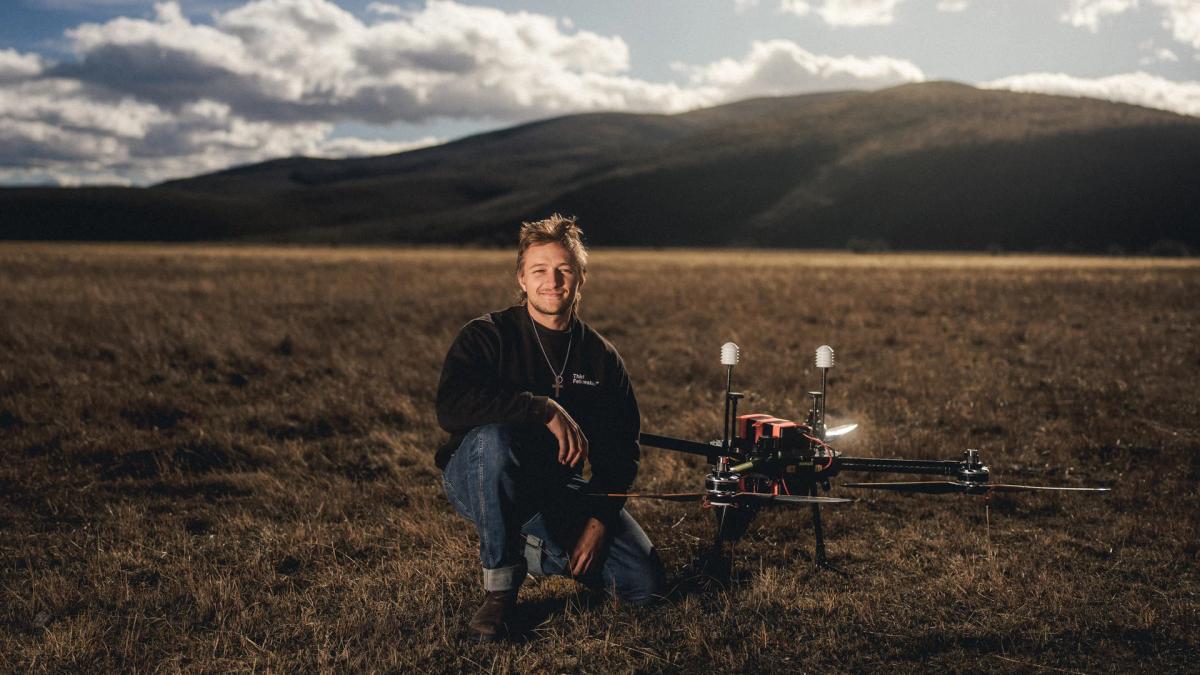
Rainmaker, founded in 2023 and once dubbed "the hardest startup in America" by Fast Company, just closed a $100 million Series B funding on top of the roughly $50 million it had already raised from investors including Lowercarbon Capital, Upfront Ventures and DCVC. Their pitch is cloud seeding: fly custom drones into the clouds with the right conditions and release silver iodide, a particle that ice crystals latch onto, nudging droplets that were sitting there into actual rain or snow.
The number that earned the check
Seeding clouds isn't new; we're sure you must have heard of it before. Proving it worked has always been the hard part. How do you separate rain you made from the rain that was coming anyway?
Rainmaker's answer is flight patterns: its drones fly programmed routes, letting researchers attribute the precipitation to the seeding rather than to nature.
The company says it has tied its flights to 145 million incremental gallons of fresh water, including 19 million gallons over three hours in Alaska's Kenai Peninsula in August. That attribution claim, not the drones, is what the $100 million is really buying.
So, why now?
Weather modification technology is becoming financially attractive due to the increasing prevalence of the problem it solves. The drought situation in the American West regions, including the Colorado River Basin and Great Salt Lake, is precisely the market that Doricko hopes to address, and there is even a competing company, Recast Systems, that has started cloud seeding using an organic compound in Texas and New Mexico. The issues regarding regulation and the environment associated with the silver iodide release into the air are genuine ones; hence, the company claims its patented biodegradable cloud seeding agents.
The part to watch skeptically
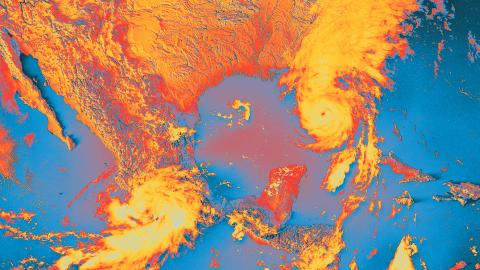
The dreams of the founder extend far beyond drought. Doricko speaks of how he will ultimately work on diminishing the strength of hail storms, floods, tornadoes, and hurricanes — along with someone paying for that service. It is this clue that must be remembered. If a company can make water appear in the sky, then this would be a real accomplishment, but claiming one can control extreme weather conditions is quite another story and one that needs even more proof. The Alaska statistic is verifiable.