The Atlantic went a bit quiet
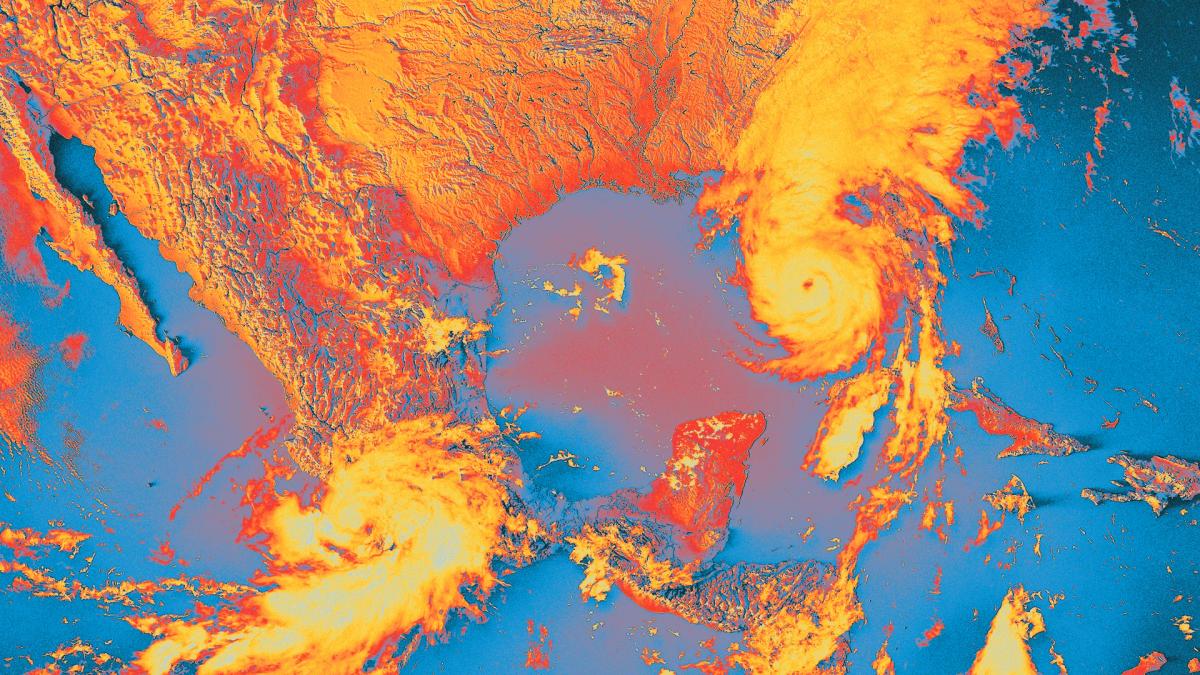
By September 24, the Atlantic had produced six named storms and zero hurricanes so far- none of which had strengthening past tropical-storm force, a gap AccuWeather notes hasn't happened through this date in 112 years. For context, an average season delivers about 14 named storms, seven hurricanes, and three major ones by the time it's done. Peak activity normally lands at around September 10th, which makes an empty ocean this late which is genuinely strange. The only system spinning, Tropical Storm Fay, poses no threat to the US.
The Pacific did the opposite
If you cross to the other side of the country the situation is completely different. In the central and eastern Pacific 16 named storms have been recorded, including Hurricane Polo, which quickly strengthened to become one of the most intense hurricanes on record in the eastern Pacific. One coast experiences a strange calm while the other sees record intensity—all within the same weeks.
The single cause behind both
The contradiction comes down to a single factor: a Super El Niño which experts consider to be one of the strongest on record. Since El Niño has an effect on the worldwide weather pattern, its impact in the Atlantic is to suppress it — it usually blunts storms so that they never get organised into hurricanes. In the Pacific, meanwhile, the same conditions have the opposite effect and cause the storms to become stronger. Therefore, the two oceans are not opposing one another; rather, they are both responding to the same signal, a signal that happens to drive them in opposite directions.
The part that should temper some relief
The fact that the Atlantic is quiet is good news, though it doesn't mean the season is any safer. In El Niño years the number of storms is reduced, not necessarily the amount of damage caused: it only takes one storm to make landfall in the wrong place to nullify all the calm during the season. The record does not guarantee that the Atlantic will remain free of storms until November 30, when the season officially ends. It is merely a temporary situation, caused by a pattern which might still change.