The formula that no longer works
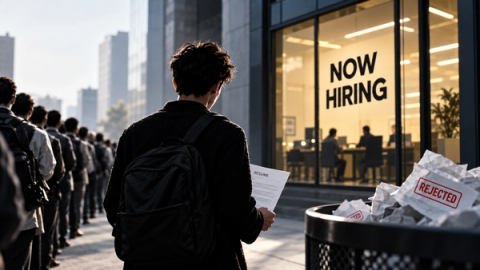
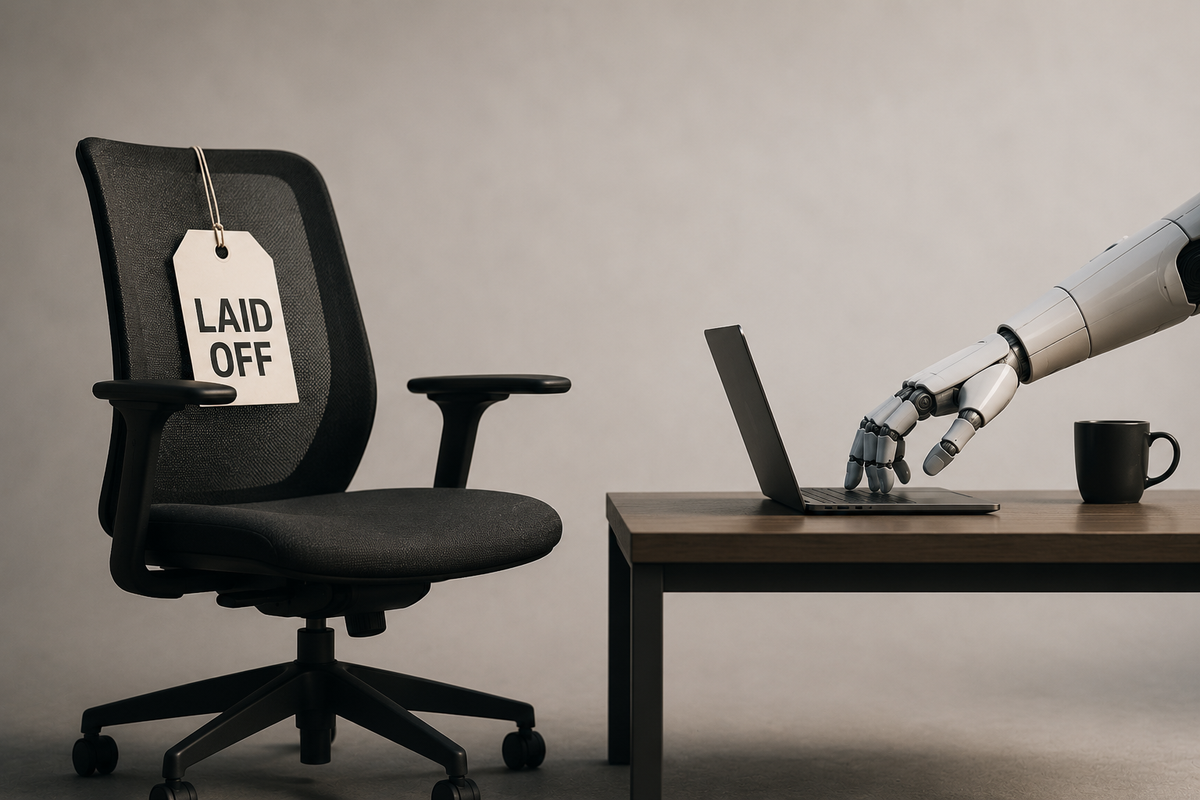
Downsize workforce. Use AI. Get going. That's what two years of corporate press releases amounted to, and it worked since nobody had to justify the second step. The bills are now coming due. According to CNBC, around half of all companies that replaced people with AI have started hiring again, spending more money than they would've saved by retaining their workforce.
Klarna wrote the template, then tore it up
Klarna was the perfect example: one chatbot performing the task of 700 people, with profits of 40 million dollars per year. Much more difficult to communicate was the after-effect. Customers became unsatisfied, complaints were made publicly, and Klarna hired real people once again. The chatbot could handle high loads. However, it was unable to understand an irate client and react adequately — which was its true purpose.
The tell: it was never about AI
However, the report from Bloomberg regarding the losses of jobs in the United Kingdom due to AI indicated that most of these losses were caused by regular economic forces. There was a cover up of the reality about AI since the AI issue helped the business firm to hide an already written story. This changes the whole boomerang phenomenon. In such cases, these businesses did not underestimate the technology but only gave a good economic story to the market.
The companies that never cut are quietly winning
While the Ingka Group, running the bulk of IKEA's stores, automated 47% of customer service calls, saving 8,500 jobs, it used these employees as design consultants instead, generating revenue of €1.3 billion in 2024. The same situation is true with IBM, reducing entry-level positions but facing a shortage of talent within three to five years. Now it hires three times as many Gen Z workers compared to before. Amazon Web Services now has more developers than it had two years ago, along with improved AI technologies. The 2026 AI Jobs Barometer published by PwC, analysing over a billion job postings, confirms the same trend. Companies that are highly exposed to AI are growing their workforce by 52%, compared to 36% growth for companies less exposed to AI.
The part that should worry you
The boomerang comes at a high cost, but it is survivable – the companies are bringing the people back. The problem is, what about those who have never been away? Those working in low-level positions in technology and manufacturing – the ones whose jobs can be displaced – and there is nobody to rehire since they were not hired at all.