Something has broken in the world of work this year, and the conventional analysis of the problem is incorrect. According to a 2026 global study by DHR Global of 1,500 knowledge workers in North America, Europe, and Asia, the percentage of those who say they feel highly engaged fell from 88% in 2025 to 64% in 2026, while 83% feel burnt out.
Effort Versus Identity
Burnout is an effort issue, and effort issues beckon effort fixes: bonuses, benefits packages, reward schemes, and mandatory directives from the office. In each case, the implicit assumption is that the employee actually wants the job but is missing something. That is not what the numbers seem to be saying. Effort is not being conserved; rather, the portion of oneself that was invested in making the job worth doing is being withheld. That cannot be fixed with incentives, since it was not being compensated for to begin with.
The AI variable
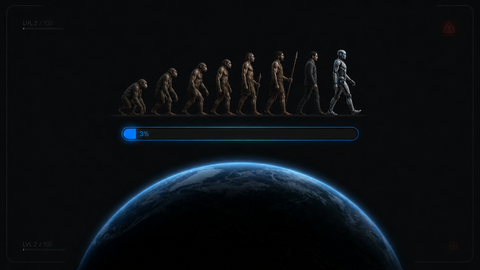
The accelerant is quite obvious – sitting on every desk. DHR learned that the boost to engagement provided by telecommuting, AI and a buoyant employment market has disappeared for companies. Business group in Ireland Ibec explained the logic behind this phenomenon even more openly – in its 2026 forecast: AI not only changes productivity, but it also changes identity, especially in the case when the job has changed its form without naming it. People create an identity in being the quick writer, sharp analyst or someone who knows the answers. When the technology does that task in seconds, the issue is not about job security, but rather about the identity. Where It Lands Hardest The inequality is the thing that the leader should be concerned about. The entry-level employees and associates experienced disengagement due to burnout at the level of 61% and 62%. In turn, C-suite leaders showed only 38%. People who have less power and less developed identity leave their jobs much faster, whereas those who are running the company do not see the problem. And, therefore, they are the worst observers of the situation in the whole building.
The Structural Read
The answer lies not in a wellness budget. Rather, it lies in role design, whereby automation takes care of the repetitive aspects, while we consciously give humans more responsibility for the judgment, taste, and relationships that were the basis of their identity in the first place. Organizations that continue to narrow roles can only expect to see numbers continue to fall.