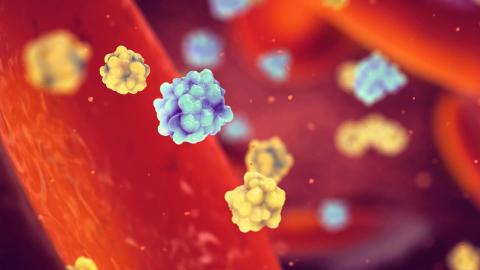
After two decades of drought, a genuinely new class of compounds is finally moving through trials. Why the pipeline stalled for so long, why it's reviving now, and what it means for the slow-motion crisis of resistance.
The headline is the easy part. What follows is the harder question: who actually benefits, who quietly pays, and which incentives were already in motion long before any of this reached the news. We start there, because that is usually where the real story hides — not in the announcement, but in the conditions that made it inevitable.
Follow the money and the picture sharpens considerably. Every decision here sits downstream of a budget, a deadline, or a quarterly number that somebody, somewhere, needs to hit. Strip away the press-release language and the same small handful of pressures show up again and again, wearing different costumes each time.
It helps to zoom out. This is not really a one-off event so much as the visible edge of a slower shift that has been building for years, mostly out of view. Seen in that light, the genuinely surprising part is not that it finally happened, but that it took quite this long to surface.
There is a counter-argument worth taking seriously. Plenty of thoughtful people read the same facts and arrive at the opposite conclusion, and their case is not nearly as weak as the loudest voices on either side would have you believe. We lay it out fairly before explaining where we think it ultimately falls short.
The numbers deserve a second, slower look. The figure everyone keeps quoting is technically true and almost completely misleading, because it quietly leaves out the one variable that actually drives the outcome. Put that variable back into the equation and the whole story changes shape in front of you.
History rhymes here in a way that is hard to ignore. We have seen a version of this before, in a different industry and a different decade, and the way it played out then tells you a great deal about how it is likely to play out now. The mechanism, it turns out, is much older than the technology.
So what changes next? The second-order effects are where this gets genuinely interesting — the knock-on consequences that nobody is pricing in yet, precisely because they are still one step removed from the obvious story. Those quieter effects, not the headline itself, are the ones actually worth watching from here.