One cut, three airports down
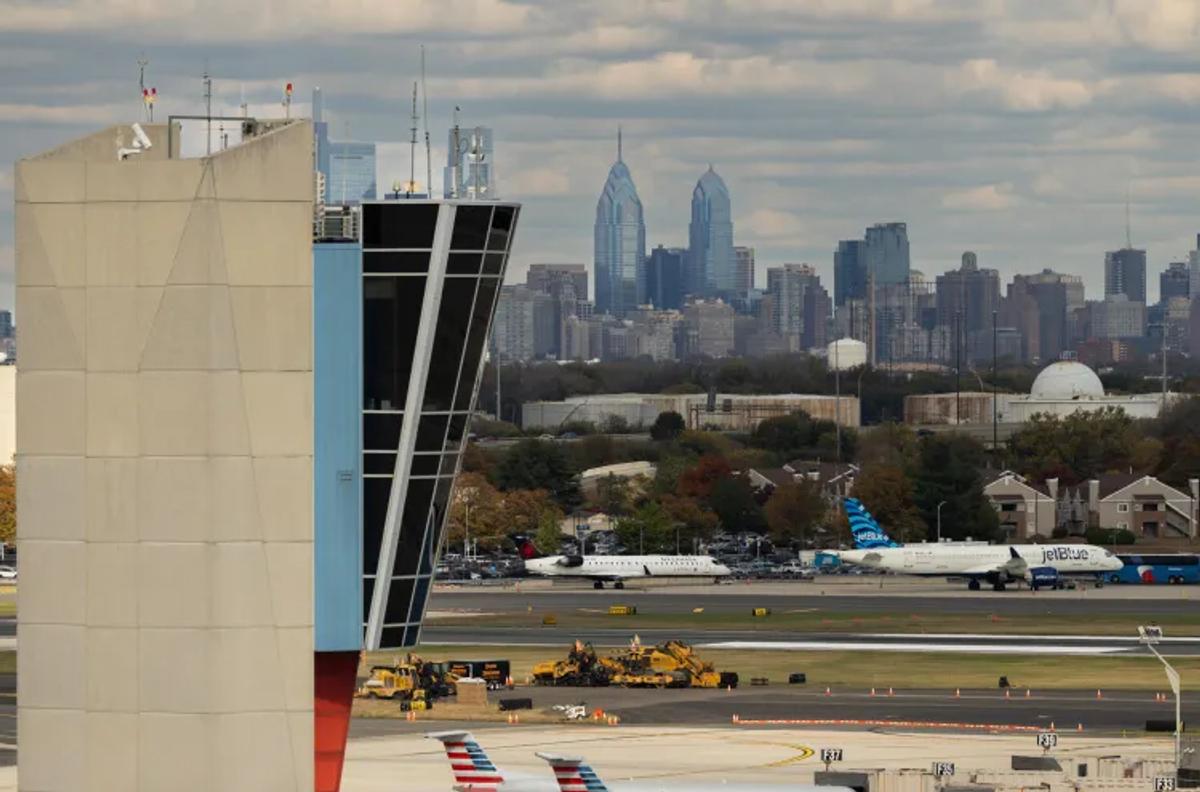
A circuit failure tipped off the FAA to the real problem: a severed Verizon fiber line carrying air traffic control data, which halted operations for many flights. Administrator Bryan Bedford confirmed the cut, and the fallout spread fast; ground stops hit all three major New York City airports and the effect rippled across the Northeast. By Monday evening, FlightAware counted over 1,000 canceled flights nationwide.
Who is to blame?
It seems like nobody wants to own this one. Verizon said it bore "no responsibility" whatsoever. Pointing at contractors who "dug up and cut our cable". Transportation Secretary Sean Duffy said an Amtrak crew sliced the line. Amtrak turned around and blamed New Jersey Transit, noting the incident happened on NJ Transit property with an NJ Transit contractor. The finger-pointing is its own tell; when a single accidental cut can bring down a region's air travel, everyone's first instinct is to prove it was not their fault.
The real story is the fragility
Repair of the line and the resumption of operations took place by that evening, although it took longer to clear up the delay backlog. But the fact isn't about the repair. The fact is that a piece of critical national infrastructure—the data backbone for air traffic in the Northeast—was carried along a single commercial fibre cable with no redundancy capable of coping with one physical cut. Not the result of a cyberattack. Not sabotage. Simply a routine digging operation in the wrong location.
This shows off a quiet vulnerability: systems which we consider to be robust are often just one accident away from failing, the point at which they fail being typically some ordinary and commonly encountered thing — such as a cable, a substation, or a single junction that all the equipment upstream depends on.